
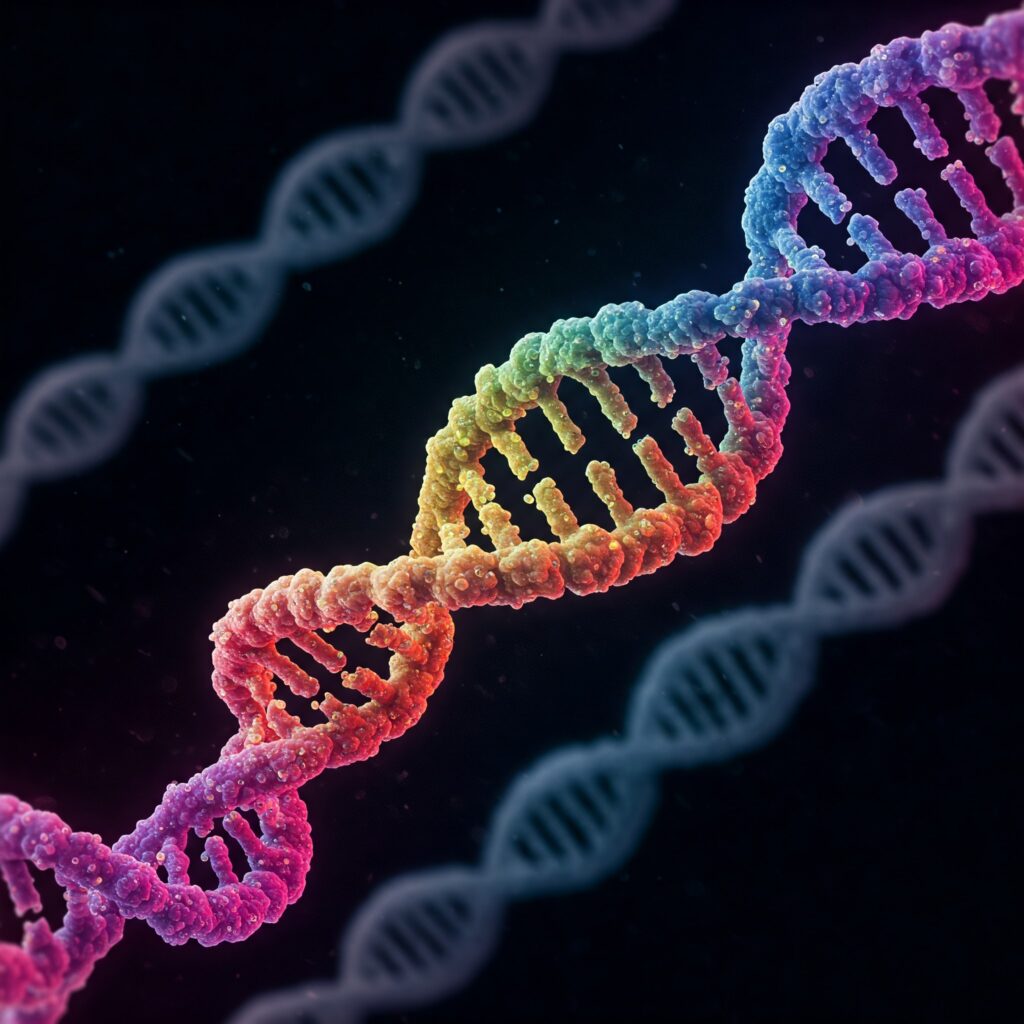
Deoxyribonucleic acid, commonly known as DNA, is the molecular blueprint that carries all the genetic instructions used in the growth, development, functioning, and reproduction of every living organism. In simple terms, DNA is the very essence of life—it stores the information that makes you, you.
What Is DNA?
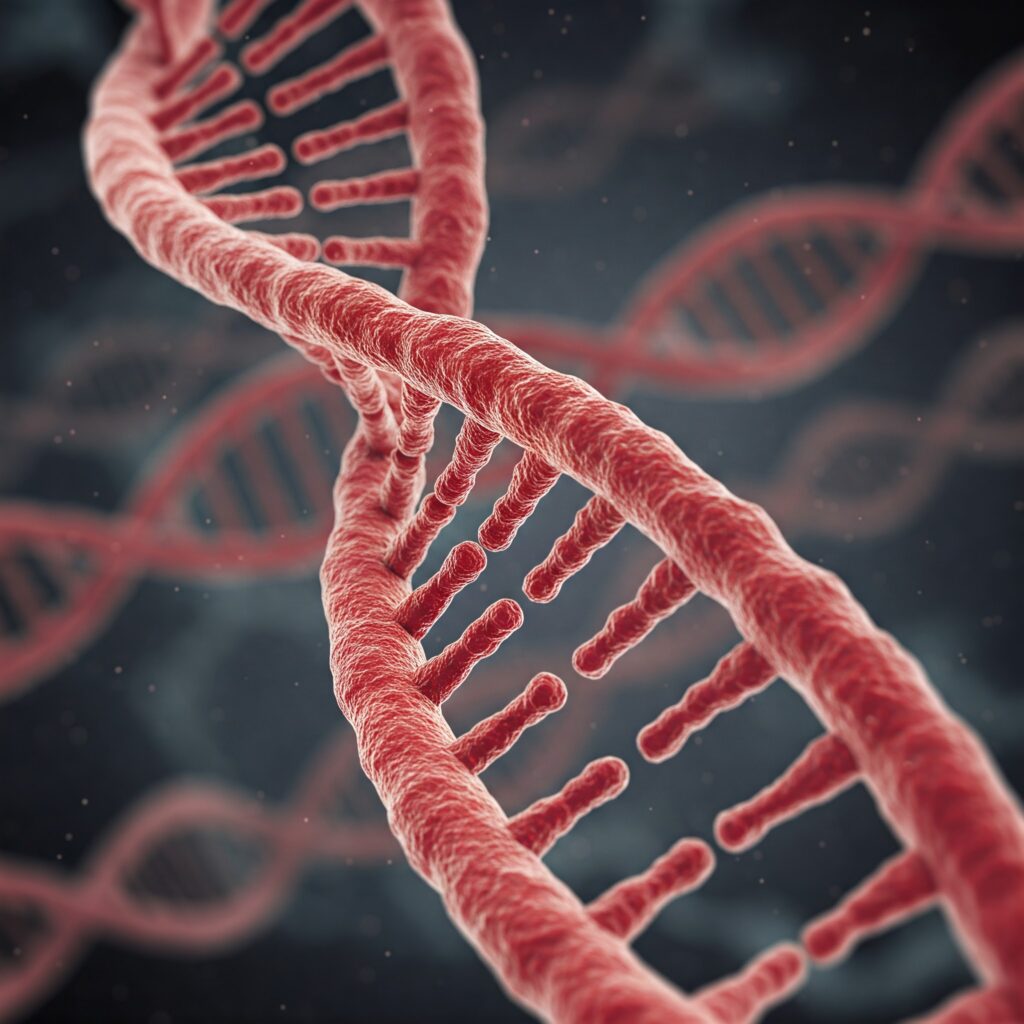
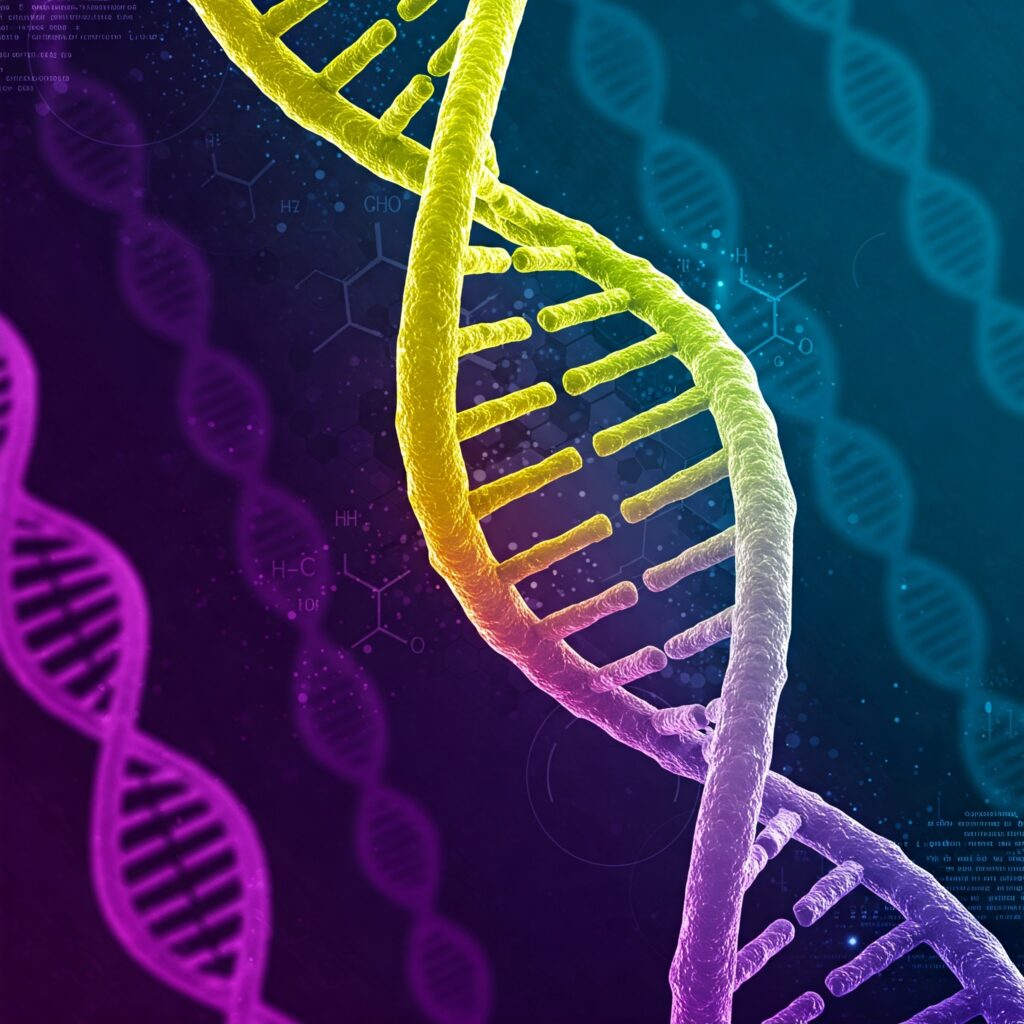
DNA is a long, double-stranded molecule composed of units called nucleotides. Each nucleotide consists of a sugar (deoxyribose), a phosphate group, and one of four nitrogenous bases: adenine (A), thymine (T), cytosine (C), and guanine (G). The structure of DNA is famously described as a double helix, resembling a twisted ladder where the sugar and phosphate form the sides and the base pairs form the rungs.
How Does DNA Work?
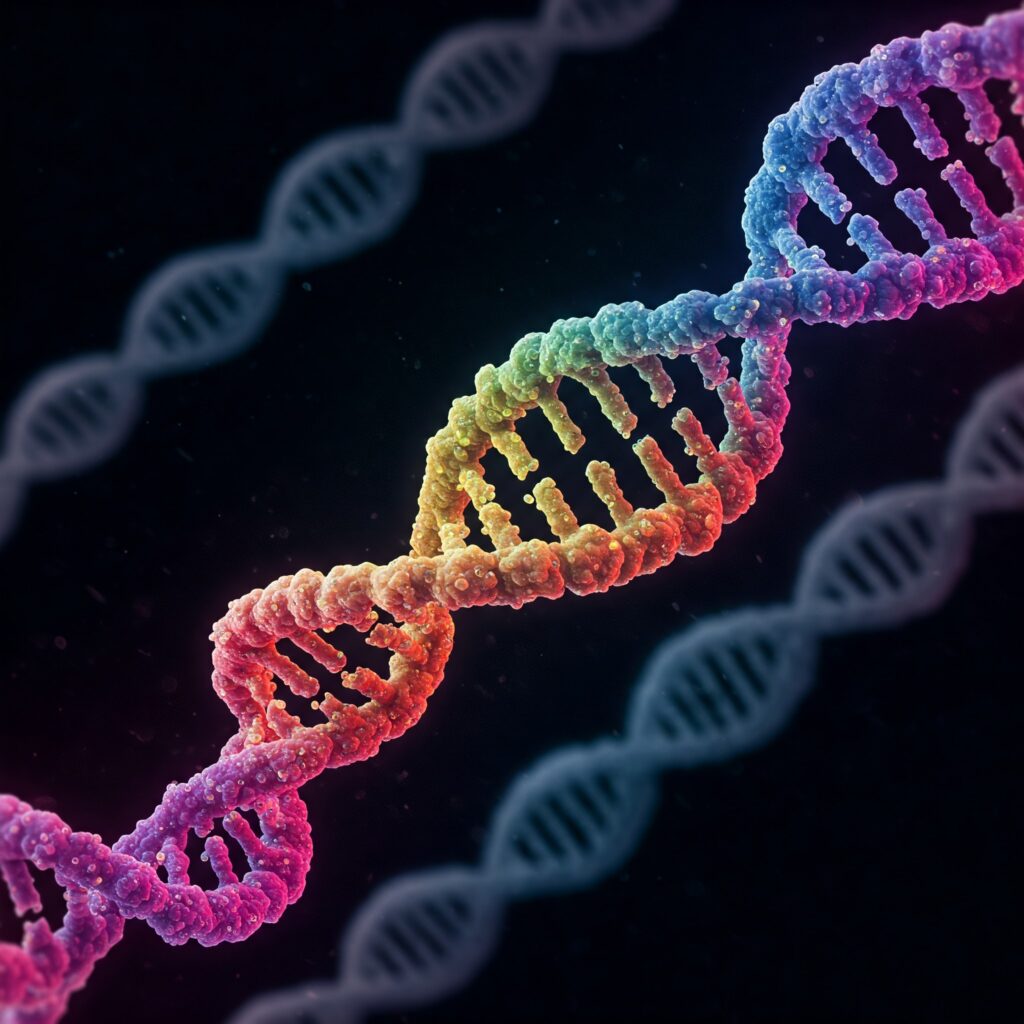
- Genetic Code: The sequence of these bases forms a unique genetic code that dictates the synthesis of proteins, which are crucial for the structure and function of cells.
- Replication: Before a cell divides, its DNA is copied in a process called replication, ensuring that every new cell has the same genetic blueprint.
- Mutation and Evolution: Changes or mutations in the DNA sequence can lead to variations in traits, some of which drive evolution and natural selection.
Why Is DNA Important?
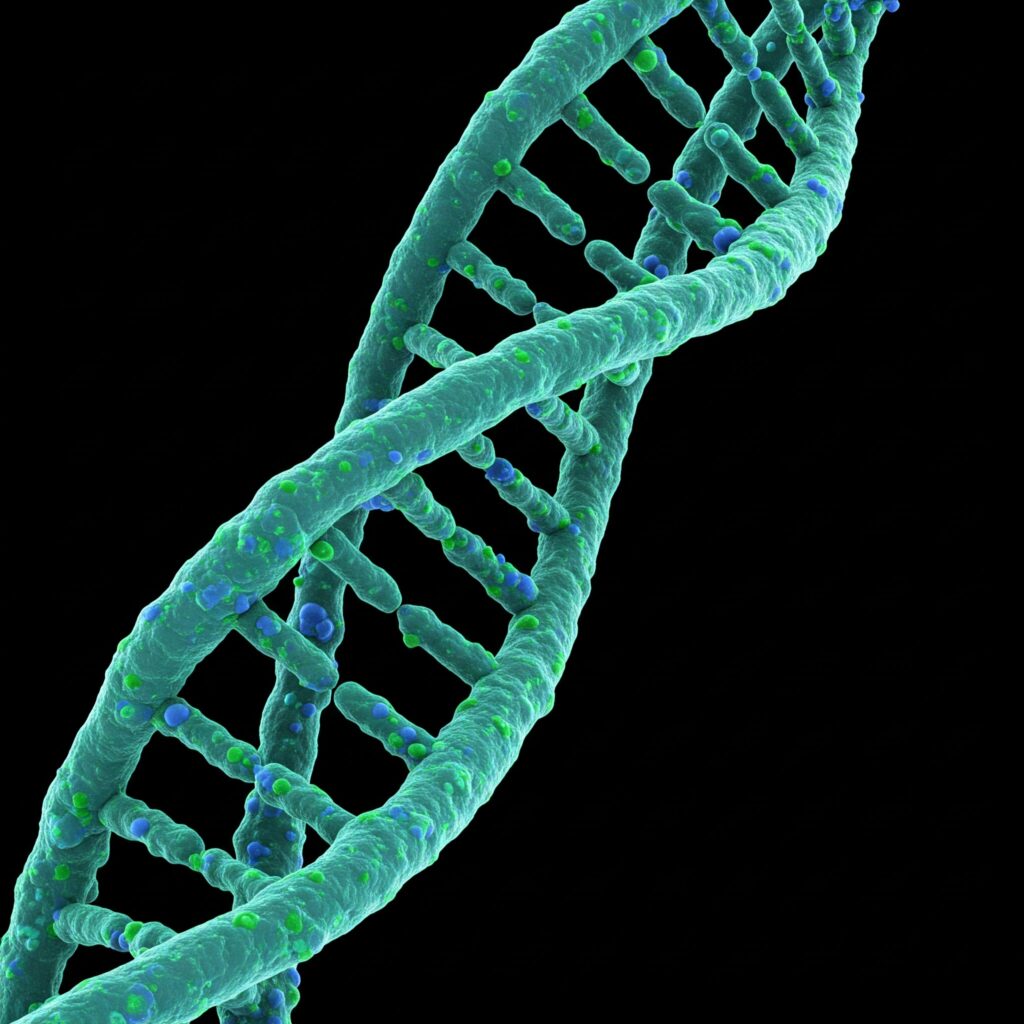
DNA is essential because it:
- Determines Inherited Traits: It is responsible for the inheritance of traits from parents to offspring.
- Drives Biological Processes: DNA provides instructions for building and maintaining the cells and tissues that make up organisms.
- Facilitates Medical Advances: Understanding DNA has led to breakthroughs in genetic testing, personalized medicine, and biotechnology.
The Structure of DNA: A Closer Look
- Double Helix: The two strands twist around each other, held together by hydrogen bonds between the bases (A pairs with T, and C pairs with G).
- Nucleotides: Think of each nucleotide as a letter in the language of genetics, forming words and sentences that the cell “reads” to perform its functions.
- Chromosomes: In humans, DNA is packaged into 23 pairs of chromosomes within the cell nucleus, making it easier to manage and protect the genetic information.
DNA in Everyday Life
Whether you’re interested in health, genealogy, or even forensic science, DNA plays a vital role:
- Genetic Testing: DNA tests can predict health risks, help identify genetic disorders, and even uncover ancestral roots.
- Forensic Science: DNA evidence is crucial in solving crimes, as it can link suspects to crime scenes with remarkable accuracy.
- Biotechnology: Advances in genetic engineering rely on manipulating DNA to develop new treatments, improve crops, and create innovative solutions in various industries.
Conclusion
DNA is much more than just a molecule—it’s the foundation of life that encodes the secrets of biology. Its intricate double helix structure not only fascinates scientists but also empowers advancements in medicine, biotechnology, and many other fields. Understanding DNA can transform how we approach health, heredity, and the future of biological research.
By demystifying the core concepts behind DNA, we unlock the potential to appreciate the science that shapes every living being. Whether you’re a student, a professional, or simply curious about the building blocks of life, diving into the world of DNA opens up endless opportunities to explore the fascinating intersection of biology and technology.
 Thai
Thai  English